Luxury restaurant marketing in Cancún and the Riviera Maya: a 2026 guide
What makes marketing a fine-dining restaurant in the Mexican Caribbean different, and how to turn the experience into bookings without losing prestige.

By Jules Castillo · 2 min read
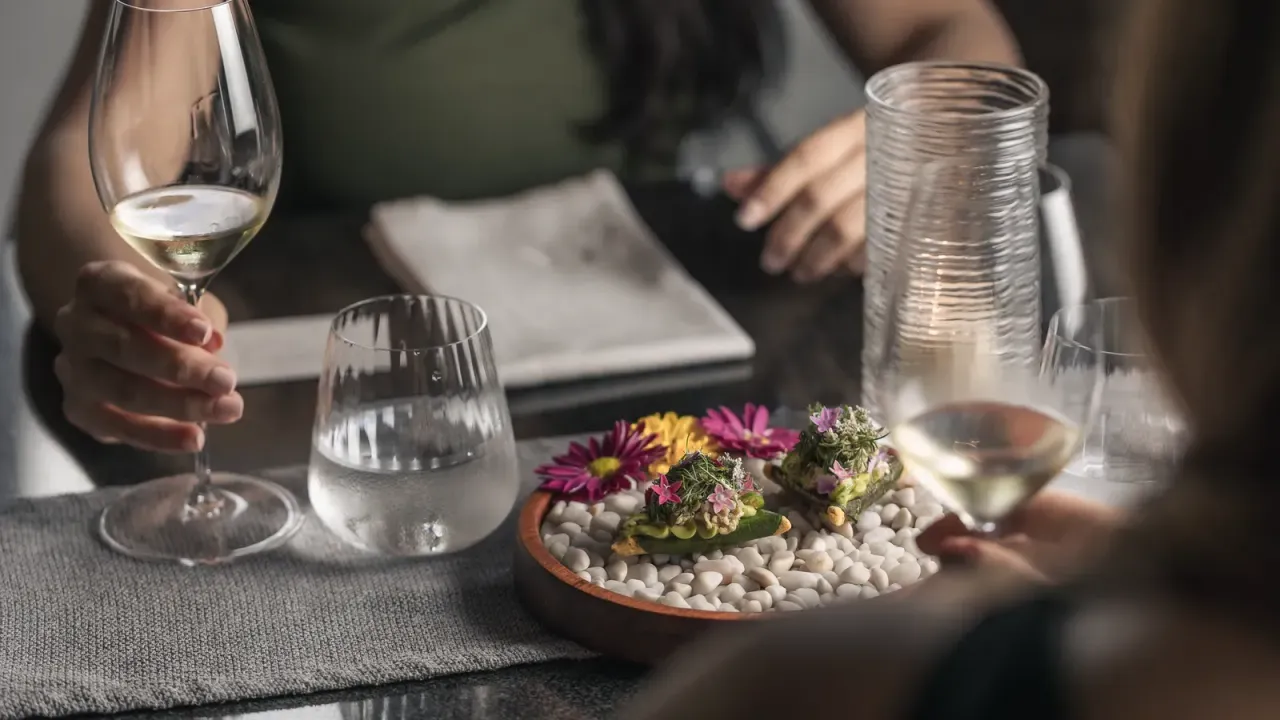
In the Mexican Caribbean, a luxury restaurant doesn't only compete with the restaurant across the street. It competes with the beach, the all-inclusive resort, the trendy beach club and the recommendation someone read on the plane. That's why fine-dining marketing in Cancún, Tulum and the Riviera Maya works differently: it has to spark desire long before the guest walks in.
Guests decide before they arrive
Most diners at a destination fine-dining restaurant are travelers. They research from home, save posts, compare reviews and often book before landing. Your restaurant needs to show up at three moments: when they dream about the trip, when they plan the itinerary and when they're already in town looking for dinner tonight.
1. A brand with its own voice
Fine dining lives on difference. Before thinking about ads, define what makes the experience unique: the chef, local produce, technique, the space, the music, the service. That story has to feel the same on the menu, on Instagram, on the website and in your WhatsApp replies.
- A clear positioning in one sentence.
- A tone of voice that sounds like your house, not like any restaurant.
- A consistent visual identity at every touchpoint.
2. Content that feels like being there
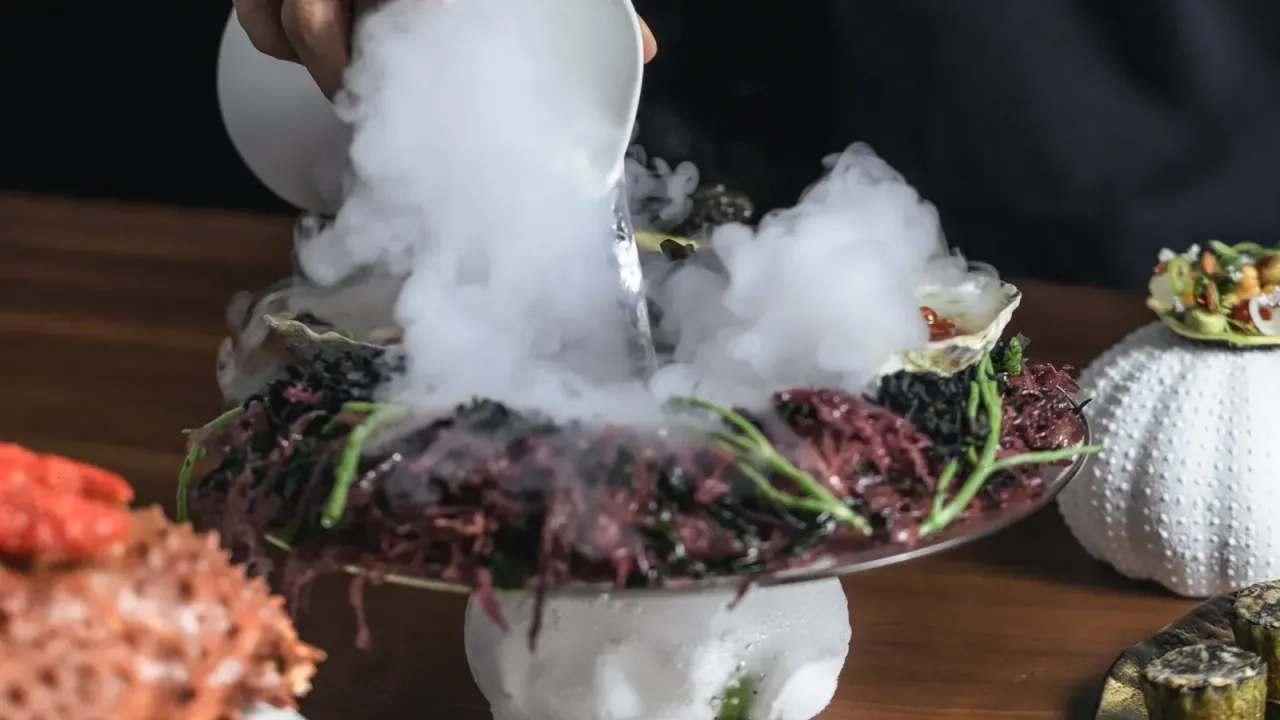
In luxury gastronomy, content is the shop window. On-location production, careful light, dishes that look the way they taste and the real people behind the kitchen. The goal isn't to post every day, but for every piece to make someone want to book.
Luxury restaurant content doesn't sell dishes: it sells the night someone will remember.
3. Online reputation: reviews are brand too
Google, TripAdvisor and social reviews weigh as much as your best photo. Replying in the brand's voice, thanking guests, addressing issues gracefully and spotting patterns in feedback is part of marketing, not an afterthought.
4. Campaigns for the moments that drive bookings
Campaigns work best when they have a reason: high season, a seasonal menu, a pairing dinner, a guest chef or a festival. Combining organic content with paid media targeted to travelers already in the destination is usually the most direct way to turn interest into seated tables.
5. Measure what matters: bookings
Followers and likes are signals, not results. Connect your campaigns to your booking engine or WhatsApp so you know which content and which ads bring real reservations, and adjust every month with that data.
Common mistakes
- Posting lots of generic content instead of a few memorable pieces.
- Promoting discounts that weaken the perception of luxury.
- Ignoring reviews or answering them with templates.
- Measuring reach instead of bookings.
In short
Marketing a luxury restaurant in the Riviera Maya is the sum of a brand with its own voice, content that conveys the experience, a well-kept reputation and campaigns built around the moments that fill the dining room. If you'd like to review where your restaurant stands today, write to us.