Christmas Eve and New Year's Eve dinners: how to sell your holiday menu
Tables for December 24 and 31 sell in November. How to announce your holiday menu, take deposits without putting anyone off, and avoid empty tables from last-minute cancellations.

By Jules Castillo · 6 min read

For a fine-dining restaurant in the Mexican Caribbean, Christmas Eve and New Year's Eve are the two most profitable nights of the year, and also the easiest to waste. The demand is there: travelers arriving to celebrate, local families looking for a place to gather, and full hotels whose guests want to go out for dinner. The problem is rarely a lack of interest. It is timing. A restaurant that starts promoting its menu in December is already late: the diners who plan ahead have booked somewhere else.
This guide walks through what to do starting in November so that the 24th and the 31st arrive with a full dining room, deposits collected and a waitlist ready to fill any gap.
1. Settle the offer before you announce it
Before posting a single photo, the team needs four decisions locked in. Changing them halfway through the sale creates confusion, complaints and, at worst, refunds.
- Format: a fixed-price tasting menu, a short menu with choices, or the regular menu with special dishes. In fine dining, a tasting menu makes an intense night easier to run and justifies a deposit.
- Seatings: a single seating with a fixed arrival time, or two clearly separated seatings. If the ritual of the night matters (the midnight toast, for instance), one seating is usually best.
- Pairings and extras: if there will be an optional wine pairing, a chef's table or a special bottle for the toast, decide it up front so you can sell it with the reservation.
- Booking policy: deposit amount, deadline for a refundable cancellation and what happens if someone doesn't show. Write that policy in one clear sentence and use it, word for word, on every channel.
2. The calendar: from November to the final week
Holiday sales follow a predictable rhythm. Respecting it keeps you from the temptation of cutting prices at the last minute.
- First half of November: announce. Publish the full menu, the price and how to book. This is when early planners, groups and travelers who have already bought their flights decide.
- Second half of November: pre-sale. Open reservations with a deposit. If you reward early booking, make it a courtesy (a welcome glass, a special dessert) rather than a discount that cheapens the night.
- First half of December: reminders. Share previews of the menu, the kitchen team preparing, the décor. The message is that few seats remain, but only if it's true.
- Final week: waitlist. When you reach capacity, don't close the door: open a waitlist. Last-minute cancellations happen, and people on the list are usually willing to confirm within minutes.
3. Content that sells the night, not just the dish
A beautiful photo of the main course isn't enough. What diners buy on these dates is a celebration, and your content has to show it.
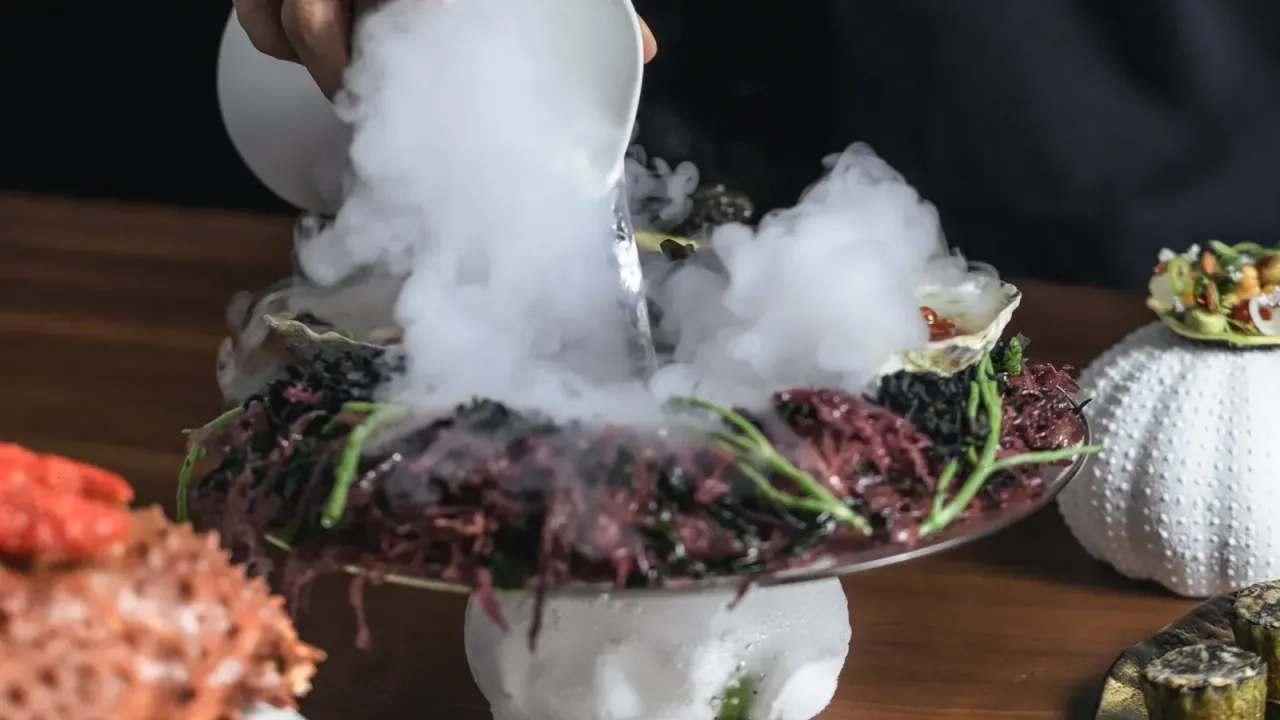
- The menu, course by course. A carousel or a short video walking through each course, with the ingredient and the technique behind it. It helps the price make sense.
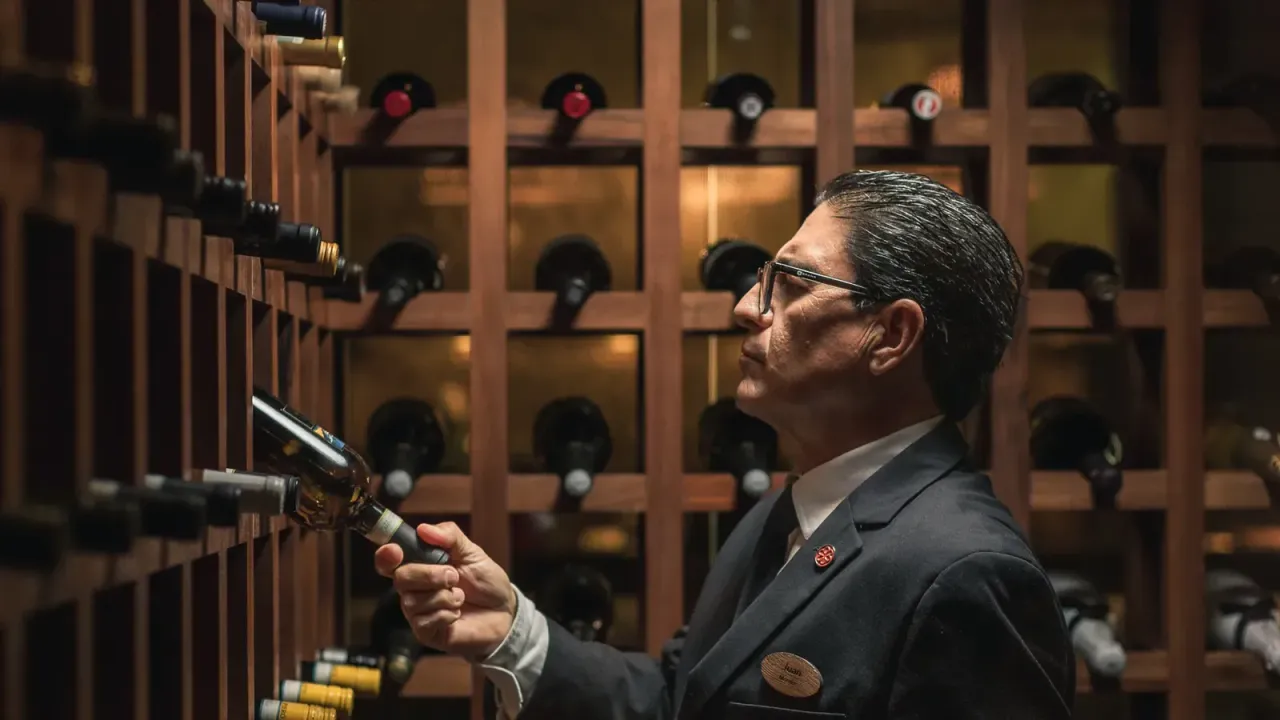
- The people. The chef explaining the concept, the sommelier presenting the pairing, the floor team setting the tables. In luxury, the people behind the experience are part of its value.
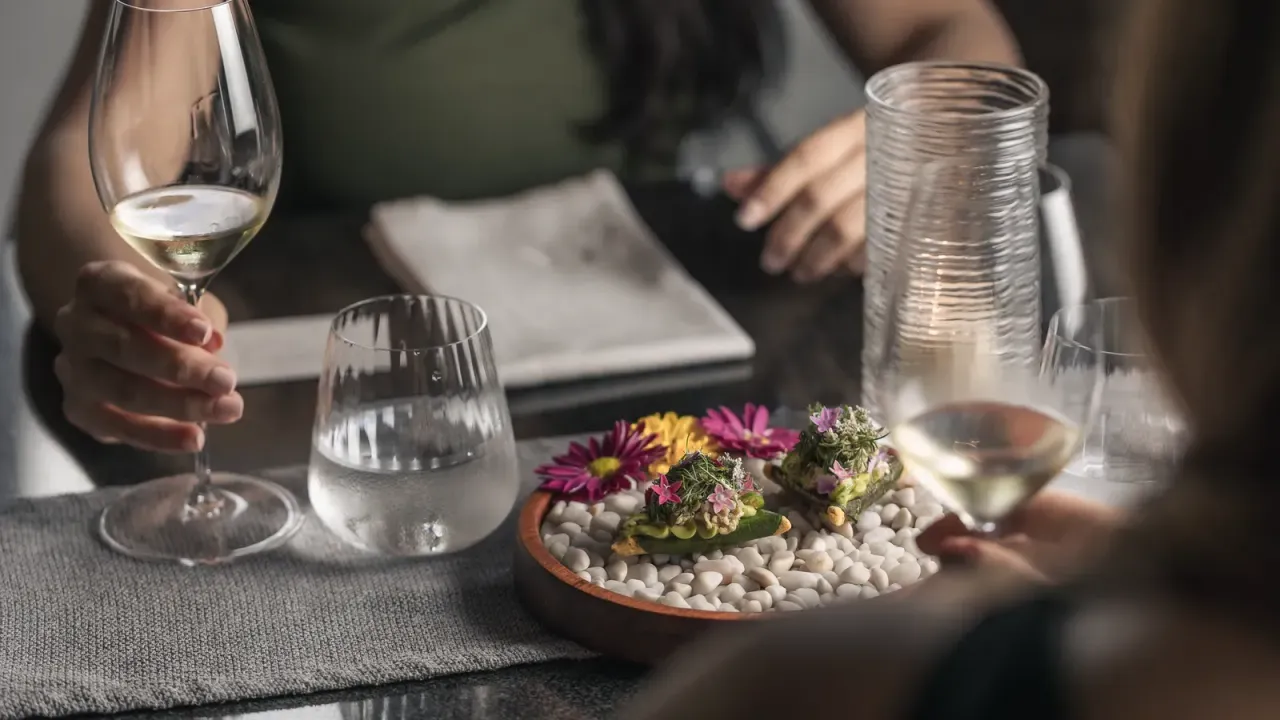
- The atmosphere. Light, music, the set table, the moment of the toast. That is what lets someone picture their own night there.
- Social proof without exaggeration. Real comments from guests in previous years, always with their permission. If this is your first holiday menu, lean on what diners already say about your cooking the rest of the year.
For more on building this kind of content for fine dining, see Social media for fine-dining restaurants.
4. Booking should take less than a minute
Many restaurants invest in content and then lose the sale at the last step: a diner messages on WhatsApp at eleven at night, no one replies until the next day, and by then they've booked elsewhere.
- One clear path. A booking link that's visible on Instagram, Google and your website. If reservations happen on WhatsApp, a welcome message with the menu, the price and the steps to hold a table.
- Fast replies. In high season, every hour without an answer costs tables. A dedicated person, or an automated assistant that answers common questions and takes the details, makes the difference.
- Written confirmation. Once the deposit arrives, send a message with the date, time, party size, chosen menu and cancellation policy. It prevents misunderstandings on the night.
5. The deposit: how to ask for it without scaring anyone off
On a night with limited capacity, a table that doesn't show is a loss you can't recover. That's why deposits are common practice in fine-dining restaurants on special dates, and diners in this segment usually accept them when they're explained clearly.
- Frame it as a guarantee of their seat, not as distrust of the guest.
- Deduct it from the bill. A deposit credited to the check feels very different from an extra charge.
- Make paying easy. A payment link, a bank transfer or a remote card terminal: the fewer steps, the better.
- Set a reasonable cancellation window. For example, a full refund until a certain date and, after that, the option to transfer the reservation to someone else. It cuts down on requests for exceptions.
6. Reminders and a waitlist: the last line of defense against empty tables
Even with a deposit, plans change. The difference between a full room and one with gaps is what happens in the last few days.
- A reminder a few days before with the details of the night and an easy way to let you know if anything changed.
- Another reminder on the day, a few hours ahead, with the address, parking details or dress code if there is one.
- Offer every cancellation to the waitlist immediately, in the order people signed up, with a short window to confirm.
To cut no-shows all year round, not just in high season, read our guide on how to reduce no-shows without losing bookings.
7. After the night: next year's guest
January 1 is when next December's sale begins. A thank-you message, an invitation to leave a review and a way to join the list for next year's menu turn a one-night diner into a returning guest. Keep a record of what you learned, too: when each seating filled up, which questions came up again and again, and which content drove the most bookings. That record gives next year a head start.
Quick checklist for this week
- Lock in format, seatings, price and booking policy.
- Prepare photos and video of the menu, the team and the space.
- Set up a single booking link and fast replies on WhatsApp.
- Publish the announcement on social media, Google and your website.
- Open the waitlist as soon as the first seating fills.
In short
Selling the holiday season well isn't about spending more. It's about getting there first, with a clear offer, content that conveys the night and a frictionless booking process. If you'd like us to build your restaurant's Christmas and New Year's campaign with you, let's talk.