Marketing for independent boutique hotels: how to compete with the chains
A boutique hotel doesn't beat a chain on budget. It wins with a story of its own, content that tells it well and a direct relationship with every guest.

By Jules Castillo · 5 min read
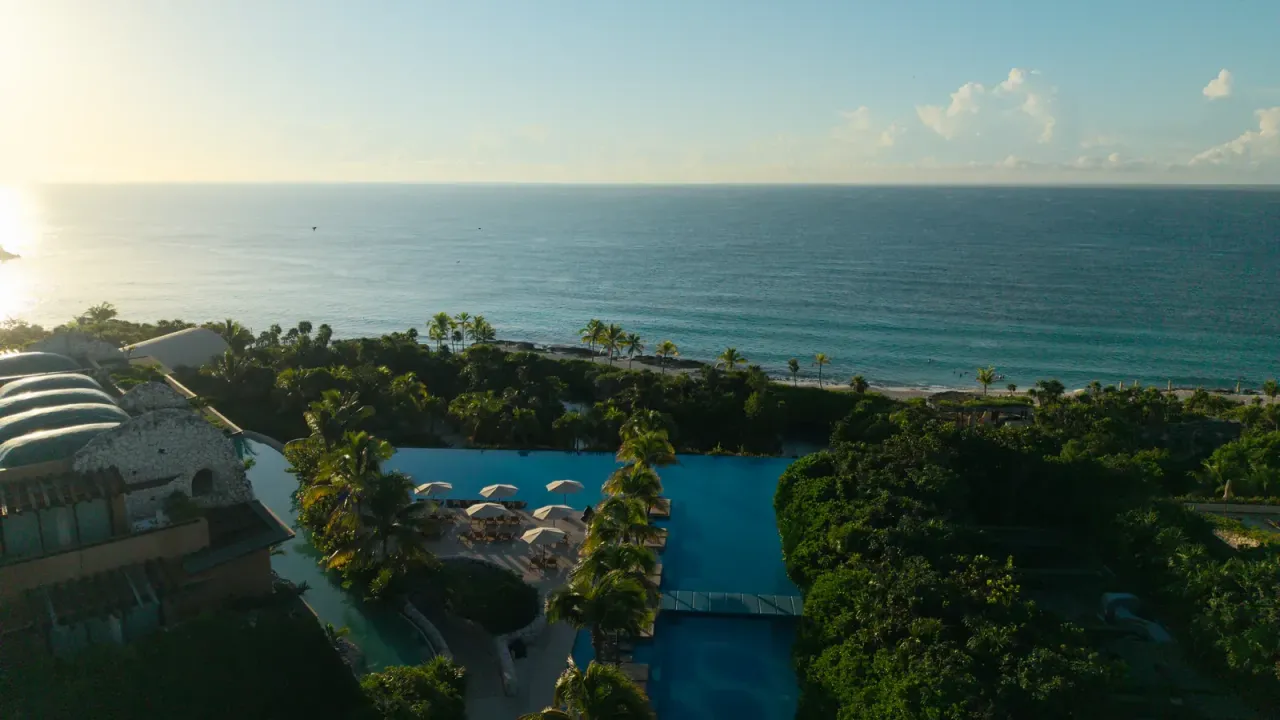
In Cancún, Tulum and the Riviera Maya, an independent boutique hotel shares its destination with large chains that run loyalty programs with millions of members, sales teams in several countries and advertising budgets no forty-room hotel can match. Competing on those terms is a losing battle.
The good news is that travelers looking for a boutique hotel aren't comparing the same things. They don't want the standardized room they could find in any city. They want a place with character, service that makes them feel recognized and an experience worth telling when they get home. Those are exactly the advantages a chain can't copy. Marketing a boutique hotel is about making them visible.
1. A positioning that fits in one sentence
The first mistake many independent hotels make is describing themselves with the same words as everyone else: luxury, exclusivity, relaxation, paradise. Travelers no longer register them.
Good positioning honestly answers three questions:
- What does this hotel do that no one else can? The architecture, the history of the house, the chef, the precise location, the design, a particular way of looking after guests.
- Who is it for, and who isn't it for? A couple celebrating, a remote worker, a family looking for calm. Saying who it isn't for also brings order to every other decision.
- What do guests remember when they leave? That answer is often the best clue to what you should be communicating.
Once the positioning fits in a sentence, everything else gets easier: the photography, the website copy, the tone of WhatsApp replies and even which collaborations are worth accepting.
2. Original content, not catalog photos
Chains communicate with flawless, generic images. A boutique hotel has the chance to show what never appears in a catalog: the people, the details, the life of the place at different times of day.
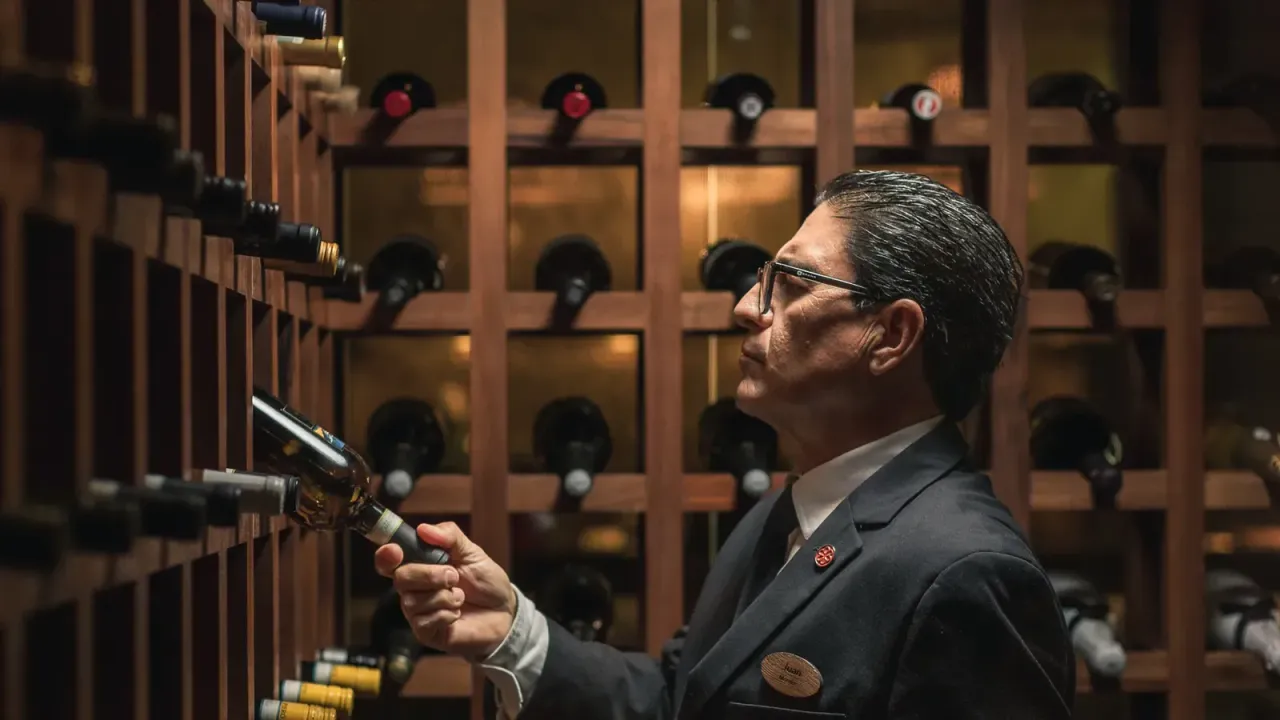
- The people who look after guests. The concierge who knows every cenote, the cook who makes breakfast, the spa team. Faces build trust and set you apart.
- The details that justify the rate. Materials, textiles, the welcome amenity, the view from one particular room.
- The destination, seen from the hotel. Not the Caribbean in general, but what guests find when they walk out the door: the nearby beach, the restaurant in town, the bike route.
- Short, vertical video. It's the format in which destinations are discovered today, and one of the best for helping someone picture their stay.
Producing original content regularly costs more than buying stock images, but it's what builds a recognizable brand over time.
3. A website that sells direct
For an independent hotel, every booking that comes through an online travel agency leaves behind a significant commission, and with it the relationship with the guest. The website is the most profitable tool the hotel has, as long as it's built to sell.
- Fast on mobile. Most hotel searches start on a phone.
- A booking engine visible from the first moment, with clear dates and prices and no extra steps.
- Real perks for booking direct: breakfast included, late checkout, a welcome experience. Guests need a concrete reason not to book somewhere else.
- Instant contact on WhatsApp for anyone with questions before paying.
We go deeper into this in How to increase your hotel's direct bookings.
4. Online travel agencies as allies, not owners
This isn't about disappearing from online travel agencies. For many boutique hotels they remain an important source of new guests, especially in international markets. The goal is for them not to be the only one.
A few practices that help keep that balance:
- Careful rate parity, so your own site is never more expensive.
- Complete, well-kept listings, with the same photos and tone as the rest of the brand.
- Turning agency guests into direct guests. During the stay, a great experience and an invitation to come back through your own site mean the next booking pays no commission.
5. Local search and reputation
Before booking, almost every traveler searches the hotel's name on Google and reads reviews. That's where a lot of trust is won or lost.
- A complete Google Business Profile, with current photos, restaurant hours and a link to the website.
- A reply to every review, positive or negative, in a warm, professional tone that sounds like the house and not like a template.
- Content built for specific searches: "boutique hotel in Tulum for couples", "hotel with spa in Playa del Carmen". An independent hotel can win those long-tail searches against much bigger sites.
To understand how local rankings work in the destination, see our guide to local SEO in Tulum, Cancún and Playa del Carmen.
6. Focused advertising, not volume
A boutique hotel doesn't need to be everywhere. It needs to show up in front of the right people at the moment they decide.
- Search campaigns on the hotel's own name, so an online agency doesn't capture someone who was already looking for you.
- Remarketing for people who visited the site and didn't book.
- Campaigns by market and season, with different messages for Mexican, U.S. and Canadian travelers.
The key is to measure bookings, not just clicks, and to adjust often.
7. The guest relationship is the main asset
An independent hotel's greatest advantage is closeness. A chain can offer a points program; a boutique hotel can remember a guest's name, their favorite wine and the reason for their trip.
- Before arrival: a personal message asking about the occasion, preferences or allergies.
- During the stay: details that show that information was put to use.
- Afterwards: a thank-you, an invitation to leave a review and, months later, a reason to return.
That relationship, nurtured consistently, produces what no campaign can buy: guests who come back and recommend you.
In short
An independent boutique hotel doesn't compete with the chains on size, but on meaning. Clear positioning, original content, a website that sells direct, a well-tended reputation, focused advertising and a close relationship with every guest add up to a strategy that grows over time. If you run a boutique hotel in the Mexican Caribbean and want to work on it, let's talk.