High season in the Mexican Caribbean: a December-to-April marketing plan for hotels
December through April accounts for a big part of the year for a hotel in the Mexican Caribbean. A market-by-market calendar for when to invest, what to say and what content to produce before occupancy climbs.

By Ness Zaragoza · 5 min read
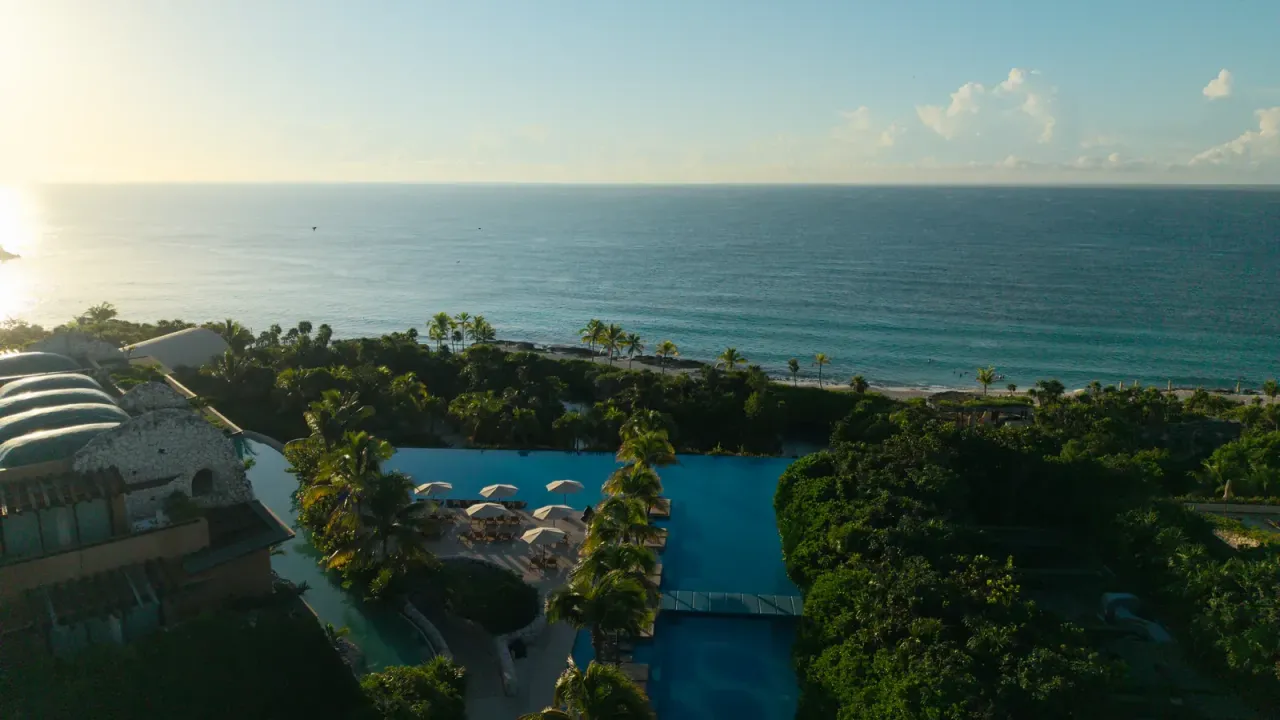
For a hotel in Cancún, Tulum or the Riviera Maya, December through April accounts for a decisive part of the year. It's when winter in the United States and Canada, the year-end holidays, Mexican long weekends and Holy Week all line up. Demand rises on its own, so it's tempting to think marketing can take a break.
It's the opposite. In high season the question isn't whether the hotel will fill up, but with which guests, at what rate and through which channel. A hotel that reaches December without a plan usually fills late, through online agencies and with discounts it didn't need. One that planned in November fills earlier, more directly and at better rates.
Three markets, three calendars
Mexican, U.S. and Canadian travelers don't decide in the same way or at the same time. Treating them with one campaign is one of the most common mistakes.
- Mexico. Tends to book closer to the date and to concentrate on very specific periods: Christmas, New Year's, long weekends and Holy Week. Responds well to Google search, Instagram and instant replies on WhatsApp.
- United States. A broad and varied market that travels all winter, with peaks around the year-end holidays and spring break. Many plan weeks or months ahead and compare on search engines, metasearch and online agencies.
- Canada. The long winter sends many travelers looking for sun for several months in a row, sometimes for longer stays. It tends to be an early-planning market, and in some regions the campaign language matters: English and, for Quebec, French.
November: get the house in order
Before investing in advertising, make sure everything guests will see is ready.
- Rates and availability loaded in the booking engine and on online agencies, with careful parity.
- Direct-booking perks defined and visible on the website: breakfast, late checkout, spa credit or a special experience.
- Seasonal packages for the key dates: Christmas Eve dinner, a New Year's celebration, long winter stays.
- Google Business Profile and agency listings with current photos.
- Fast replies on WhatsApp and email, with a team or an assistant ready for the rise in inquiries.
December: close out the peak dates and open January
Christmas and New Year's weeks are often heavily booked by early December. The work now is twofold.
- Sell what's left of the peak dates with messages about real availability, without unnecessary discounts.
- Start talking about January and February, which often have more room than it seems. For North American travelers, these are the coldest months at home.
- Celebration content: the Christmas Eve dinner, the décor, New Year's Eve. It sells this year and becomes material for next year.
If your hotel has a restaurant, our guide to selling your Christmas and New Year's Eve menu applies to its special dinners too.
January and February: the North American winter
Once the holidays pass, Mexican travel slows, and the U.S. and Canada take center stage.
- English-language campaigns by market, with messages about weather, calm and experiences, not just price.
- Long stays: rates or perks for guests who stay a week or more.
- Remarketing for people who visited the site in November and December without booking.
- Protected brand search: people searching for the hotel's name should find its own website first.
March and April: spring break and Holy Week
These months combine two different kinds of demand: U.S. travelers on spring break and Mexican travelers during Holy Week and Easter.
- Differentiated messages: a boutique hotel for couples shouldn't speak the way a family resort does. Talking to the right guest avoids filling the hotel with a profile that doesn't fit its experience.
- Domestic packages announced several weeks ahead, because Holy Week moves every year.
- Plan the exit from the season: April is a good time to start building demand for the months that follow.
Where to put the ad budget
More budget doesn't always mean better results. What matters is spreading it according to when each market decides.
- Google Search: campaigns on the hotel's name and on specific destination searches, running all season.
- Meta and Instagram: to inspire and remind, with vertical video and targeting by country.
- Metasearch: to compete directly with online agencies at the moment of comparison.
- Weekly adjustments: in high season, campaigns need frequent review. What works in December may stop working in February.
We cover campaign mechanics in more depth in Google Ads and Meta Ads for hotels and restaurants.
Content is produced before, not during
A frequent mistake is waiting for the hotel to be full before shooting photos and video. By then, the content arrives too late to sell the season.
- Produce in November the pieces you'll use from December to April: rooms, experiences, food and drink, the destination.
- Capture real moments during the season, with guests' permission, to feed next year's.
- Adapt each piece by market: English subtitles and references that speak to travelers from each country.
Make high season leave you guests, not just revenue
The season ends, but the guests who came can return. Collecting their details with permission, thanking them for their visit, inviting them to leave a review and staying in touch through the year turns high season into the foundation for the next one.
In short
A good high-season plan starts in November, separates the markets, protects direct bookings, spreads investment according to when people decide and produces content ahead of time. If you'd like to build your hotel's December-to-April plan, let's talk.